(A Hambakushu legend) Long, long ago, Ngando the Crocodile lived in a quiet backwater in the swamps of the Great Okavango. One day, a herd of Zebra came down to drink at his creek. Ngando was envious of their grace and beauty and of the freedom with which they roamed the plains. He was bored with his little stretch of water, so he asked the Zebras if he could live with them on the open grasslands.
"How could you live with us?" asked the Zebras. "The plains are so far away from the water?"
"Oh, I'm sure I will be able to manage," replied Ngando, more hopefully than truthfully.
So when the Zebras filed away after their drink, Ngando the Crocodile heaved himself up the bank and followed them. Soon, he was left far behind and the Zebras had to wait for him to catch up.
By noon, it was so hot that Ngando could go no further. He dug himself in beneath a shady tree. He was so tired he slept as though he was dead. When on of the Zebras returned to look for him, he though the crocodile had indeed died. So the Zebra left him where he was.
While Ngando slept, Hare strolled past. Hare saw the adventurous crocodile sleeping beneath the shady tree. Hare woke him up (very carefully!), and asked him why he was so far from his home in the water.
"I foolishly followed the Zebras. But they ran off and left me all alone." said Ngando. "I would be very grateful for some assistance in getting home," he added, hopefully.
Hare offered to help, provided Ngando promised him a favor in return. The desperate crocodile quickly agreed and the Hare ran off to get help.
Showing posts with label African Folklore. Show all posts
Thursday, August 14, 2014
Sunday, December 2, 2012
African Folklore: Caracal, Eland and Jackal
(A Bushman Story) Caracal was returning home from a hunting foray when he bumped into Eland. Caracal had never seen Eland before. Approaching warily, he said, "Good day friend! What may your name be?"
Eland struck the ground with his huge forefoot, raising a great cloud of dust. He replied in a deep, gruff voice, "I am Eland! Who are you?"
Caracal in awe at the size of the King of all antelopes, quietly answered, "I am Caracal." Then, in fear ran home as fast as he could.
Jackal lived nearby and, when they met, he asked Caracal what was worrying him.
"Friend Jackal, I am quite out of breath and half dead with fright. I have just seen a fearsome looking fellow, with a large thick head and huge twisted horns. I asked him his name and he answered, 'I am Eland'.
"What a foolish fellow you are to let such a lovely piece of flesh go untasted!" laughed Jackal. "Tomorrow we shall go and trap Eland and eat a huge feast together."
Next day, the two set off to look for Eland. But as they appeared over a hill, Eland saw them. He ran to his wife and said, "I fear that this is our last day, for Caracal and Jackal are coming to kill us. What shall we do?"
"Do not be afraid," said Eland's wife. "Take our child and make him cry as if he were hungry." Eland hesitated, but then he saw the reason for his wife's request. He did as she said, and went to meet Jackal and Caracal.
As soon as Caracal saw Eland, he was overcome with fear. Jackal was ready for this and he tied Caracal to himself with a leather thong. In this way, they would stand steadfast.
Eland prodded his calf with his horns. This made the youngster bleat and cry in surprise. Then Eland called out, "You have done well, friend Jackal. You have brought Caracal for us to eat. Hear how my youngster cries for food."
At these frightening food, Caracal was terrified. He pleaded with Jackal to untie him but Jackal was hungry and would not hear of it.
This was more than poor Caracal could stand. He set off at a tremendous pace to the safety of his house, dragging Jackal behind him. Caracal didn't stop. He pulled Jackal through bushes, over rocks, and through streams.
Eventually and exhausted Caracal reached home. Poor Jackal was scratched and bruised from his ordeal.
Eland had escaped and was never bothered by Caracal and Jackal again. And they are still in awe of this huge antelope to this day. (From "When Lion Could Fly: And Other Tales from Africa"; by Nick Greaves and Rod Clement)
Eland struck the ground with his huge forefoot, raising a great cloud of dust. He replied in a deep, gruff voice, "I am Eland! Who are you?"
Caracal in awe at the size of the King of all antelopes, quietly answered, "I am Caracal." Then, in fear ran home as fast as he could.
Jackal lived nearby and, when they met, he asked Caracal what was worrying him.
"Friend Jackal, I am quite out of breath and half dead with fright. I have just seen a fearsome looking fellow, with a large thick head and huge twisted horns. I asked him his name and he answered, 'I am Eland'.
"What a foolish fellow you are to let such a lovely piece of flesh go untasted!" laughed Jackal. "Tomorrow we shall go and trap Eland and eat a huge feast together."
Next day, the two set off to look for Eland. But as they appeared over a hill, Eland saw them. He ran to his wife and said, "I fear that this is our last day, for Caracal and Jackal are coming to kill us. What shall we do?"
"Do not be afraid," said Eland's wife. "Take our child and make him cry as if he were hungry." Eland hesitated, but then he saw the reason for his wife's request. He did as she said, and went to meet Jackal and Caracal.
As soon as Caracal saw Eland, he was overcome with fear. Jackal was ready for this and he tied Caracal to himself with a leather thong. In this way, they would stand steadfast.
Eland prodded his calf with his horns. This made the youngster bleat and cry in surprise. Then Eland called out, "You have done well, friend Jackal. You have brought Caracal for us to eat. Hear how my youngster cries for food."
At these frightening food, Caracal was terrified. He pleaded with Jackal to untie him but Jackal was hungry and would not hear of it.
This was more than poor Caracal could stand. He set off at a tremendous pace to the safety of his house, dragging Jackal behind him. Caracal didn't stop. He pulled Jackal through bushes, over rocks, and through streams.
Eventually and exhausted Caracal reached home. Poor Jackal was scratched and bruised from his ordeal.
Eland had escaped and was never bothered by Caracal and Jackal again. And they are still in awe of this huge antelope to this day. (From "When Lion Could Fly: And Other Tales from Africa"; by Nick Greaves and Rod Clement)
Monday, June 4, 2012
African Folklore: Why Elephant Has a Trunk
(A traditional tale common to several tribal groups in southern Africa) In the beginning of time, the Creator brought forth all the animals of the bush and birds and insects of the air from the roots of a huge baobab tree. Most of the creatures look the same as they did then, but some have changed in appearance sine the time of creation.
One such animal is Elephant, who originally did not possess a trunk but a pig-like snout instead. Feeding was a constant problem for such a large, thick-set animal and it seemed that Elephant had to ear non-stop morning noon and night to satisfy the needs of his enormous body. Drinking was even more complicated as Elephant had to kneel at the water hole and gulp down great mouthfuls of water to quench his thirst. Both eating and drinking were laborious and time-consuming.
One day a group of elephants trekked a long way from their feeding grounds to a distant water hole; the long dry season had dried up most of the smaller pans and springs. This water hole was the home of a hug he, old crocodile who had gone without food for a long time and was feeling particularly hungry on that day.
When Crocodile saw the herd approaching, he slipped quietly from the sandbank, where he had been sunning himself, into the murky water. Swimming slowly along, with just his eyes and nostrils showing above the surface, Crocodile cruised over to where he knew the elephants would drink, without making a ripple on the pool's smooth surface. Not even the inquisitive vervet monkey, feeding high in the nearby trees, saw him swim to where he lay in ambush.
The elephants made their way down the well-trodden game trail to the sand beach. There they laboriously sank to their knees and started to gulp down the refreshing water. Crocodile saw his opportunity, and with a huge splash he lunged with terrifying speed at the young bull elephant drinking closest to him.
One such animal is Elephant, who originally did not possess a trunk but a pig-like snout instead. Feeding was a constant problem for such a large, thick-set animal and it seemed that Elephant had to ear non-stop morning noon and night to satisfy the needs of his enormous body. Drinking was even more complicated as Elephant had to kneel at the water hole and gulp down great mouthfuls of water to quench his thirst. Both eating and drinking were laborious and time-consuming.
One day a group of elephants trekked a long way from their feeding grounds to a distant water hole; the long dry season had dried up most of the smaller pans and springs. This water hole was the home of a hug he, old crocodile who had gone without food for a long time and was feeling particularly hungry on that day.
When Crocodile saw the herd approaching, he slipped quietly from the sandbank, where he had been sunning himself, into the murky water. Swimming slowly along, with just his eyes and nostrils showing above the surface, Crocodile cruised over to where he knew the elephants would drink, without making a ripple on the pool's smooth surface. Not even the inquisitive vervet monkey, feeding high in the nearby trees, saw him swim to where he lay in ambush.
The elephants made their way down the well-trodden game trail to the sand beach. There they laboriously sank to their knees and started to gulp down the refreshing water. Crocodile saw his opportunity, and with a huge splash he lunged with terrifying speed at the young bull elephant drinking closest to him.
Thursday, March 22, 2012
African Folklore: Why Dung Beetle is So Strong
(A Batonka story) Long ago, Dung Beetle and Butterfly were the best of friends. They were always together as they went about their daily business. One day, they were resting in the shade of a tree when First Man and First Woman walked by.
"Oh, what a beautiful butterfly!" they exclaimed. And they stood and admired her for quite some time.
When First Man and First Woman resumed their travels, Dung Beetle said to Butterfly, "Whenever First Man and his wife see you, they always stop and admire you. They never take a second glance at me. Am I so ugly?"
"Nonsense," said Butterfly. "It is only because you have nothing to attract their attention. Humans admire beauty and strength. If you were to become the strongest insect in the world, for instance, they would surely take notice of you."
"I could never become the strongest insect in the world!" said Dung Beetle sadly.
"Certainly you could," Butterfly quickly replied. "Remember, if you make no effort you can expect no results. But if you try you might succeed."
Dung Beetle decide that she would try. She went off on her own for a long time. Dung Beetle tried all sorts of exercises and challenges to become strong. Through continued effort she became very strong. At last, she returned to her friend Butterfly.
"Oh, what a beautiful butterfly!" they exclaimed. And they stood and admired her for quite some time.
When First Man and First Woman resumed their travels, Dung Beetle said to Butterfly, "Whenever First Man and his wife see you, they always stop and admire you. They never take a second glance at me. Am I so ugly?"
"Nonsense," said Butterfly. "It is only because you have nothing to attract their attention. Humans admire beauty and strength. If you were to become the strongest insect in the world, for instance, they would surely take notice of you."
"I could never become the strongest insect in the world!" said Dung Beetle sadly.
"Certainly you could," Butterfly quickly replied. "Remember, if you make no effort you can expect no results. But if you try you might succeed."
Dung Beetle decide that she would try. She went off on her own for a long time. Dung Beetle tried all sorts of exercises and challenges to become strong. Through continued effort she became very strong. At last, she returned to her friend Butterfly.
Friday, September 16, 2011
African Folklore: How Serval Got His Spots
(A Ndebele fable) In the beginning, Serval used to be the same tawny color as Lion, but he was much smaller and nowhere as strong. The other animals often teased him, calling him, "Lion's little cousin."
Serval dreamed of having a magnificent coat like Leopard or Zebra. If he could not be big and strong, he could at least be handsome.
One day, when Serval was going about his daily hunt, he met Puff Adder.
"Oh, kind Serval," pleaded Puff Adder, "I am feeling very ill and none of the other animals will help me."
"No wonder!" exclaimed Serval. "You are such a nasty creature that all animals go in fear of you. But because you are ill, I will help you just this once. But you must promise to keep your fangs to yourself!"
Puff Adder agreed willingly to be on his best behavior, so Serval to him home and looked after him. It took a long time for Puff Adder to get better as he was indeed very ill. Thanks mainly to Serval's care and attention, he eventually recovered.
Before Puff Adder left, he thanked Serval for his kindness. To show his gravitate, he said, "I will give you anything within my power in return for your kindness."
Serval replied, " There is nothing I would like more than a beautiful coat."
"That I can do," answered Puff Adder. "I will have to bite you, but do not fear that my poison will harm you. It will only be a very small amount."
So Puff Adder bit Serval carefully. Though it made Serval feel a bit sick, he quickly recovered. Soon his skin broke out in a rash and his tawny coat changed to a golden color mottled with black spots. Serval was overjoyed. He was now one of the most handsome creatures in the bush.
As a sign of respect for each other, Puff Adder and Serval do not trouble each other to this day. (From: When Lion Could Fly: And Other Tales from Africa, by Nick Greaves and Rod Clement)
Serval dreamed of having a magnificent coat like Leopard or Zebra. If he could not be big and strong, he could at least be handsome.
One day, when Serval was going about his daily hunt, he met Puff Adder.
"Oh, kind Serval," pleaded Puff Adder, "I am feeling very ill and none of the other animals will help me."
"No wonder!" exclaimed Serval. "You are such a nasty creature that all animals go in fear of you. But because you are ill, I will help you just this once. But you must promise to keep your fangs to yourself!"
Puff Adder agreed willingly to be on his best behavior, so Serval to him home and looked after him. It took a long time for Puff Adder to get better as he was indeed very ill. Thanks mainly to Serval's care and attention, he eventually recovered.
Before Puff Adder left, he thanked Serval for his kindness. To show his gravitate, he said, "I will give you anything within my power in return for your kindness."
Serval replied, " There is nothing I would like more than a beautiful coat."
"That I can do," answered Puff Adder. "I will have to bite you, but do not fear that my poison will harm you. It will only be a very small amount."
So Puff Adder bit Serval carefully. Though it made Serval feel a bit sick, he quickly recovered. Soon his skin broke out in a rash and his tawny coat changed to a golden color mottled with black spots. Serval was overjoyed. He was now one of the most handsome creatures in the bush.
As a sign of respect for each other, Puff Adder and Serval do not trouble each other to this day. (From: When Lion Could Fly: And Other Tales from Africa, by Nick Greaves and Rod Clement)
Monday, June 6, 2011
African Folklore: Why Mongoose Kills Snakes
(A Bushman Legend) In ancient times, Mongoose and Secretary Bird were great friends. One day they walking through the bush when they came upon a large snake.
Snake asked Mongoose to accompany him. He found something special and wished to show it to Mongoose. Secretary Bird said she was hot. She wished to bathe and drink at a water hole some distance away. So Secretary Bird said farewell to her friend Mongoose and flew off.
Mongoose and snake set off together. After a long walk, they came to a nest on the ground. The nest had some eggs in it. Snake knew that the nest belonged to Secretary Bird, but he did not tell Mongoose this.
"Have you every tasted eggs?" Snake asked Mongoose.
"No, Snake, I have never eaten an egg," replied Mongoose eagerly.
"They are very good. Why don't you try one?" suggested the cunning Snake. He broke open the shell of one of the eggs.
Both Mongoose and Snake started to eat the eggs. Mongoose agreed that he never knew anything that tasted so good. Just as they had gulped down the last egg, they saw Secretary Bird approaching.
The devious Snake called out, "Mongoose has eaten all of your lovely eggs!"
Secretary Bird was very angry and very sad that her friend Mongoose had betrayed her. Then she saw that Snake had egg around his mouth too!
"You have both eaten my eggs," Secretary Bird said furiously.
Snake asked Mongoose to accompany him. He found something special and wished to show it to Mongoose. Secretary Bird said she was hot. She wished to bathe and drink at a water hole some distance away. So Secretary Bird said farewell to her friend Mongoose and flew off.
Mongoose and snake set off together. After a long walk, they came to a nest on the ground. The nest had some eggs in it. Snake knew that the nest belonged to Secretary Bird, but he did not tell Mongoose this.
"Have you every tasted eggs?" Snake asked Mongoose.
"No, Snake, I have never eaten an egg," replied Mongoose eagerly.
"They are very good. Why don't you try one?" suggested the cunning Snake. He broke open the shell of one of the eggs.
Both Mongoose and Snake started to eat the eggs. Mongoose agreed that he never knew anything that tasted so good. Just as they had gulped down the last egg, they saw Secretary Bird approaching.
The devious Snake called out, "Mongoose has eaten all of your lovely eggs!"
Secretary Bird was very angry and very sad that her friend Mongoose had betrayed her. Then she saw that Snake had egg around his mouth too!
"You have both eaten my eggs," Secretary Bird said furiously.
Wednesday, April 6, 2011
African Folklore: The Day Baboon Outwitted Leopard
(A Zulu Folk Tale) Long, long ago, Baboon and Leopard were friends. One day, Leopard had chased Hare until Hare had taken refuge in an anthill. Leopard called her friend Baboon and asked him to stand guard over the anthill while she went down to the river for a drink.
Baboon agreed and settled down with his back to the side of the anthill, next to the hole where Hare had disappeared. It was a warm day and fairly close to noon. After a while, Baboon started to doze off and was soon snoring gently.
Hare heard the snores and crept quietly out. As he was leaping away to safety, Leopard came back. She saw Hare disappearing over the hill and, in a rage, she charged up to sleeping Baboon and slapped him awake.
"O worthless monkey!" she roared. (This is a terrible insult, as baboons just hate being called 'monkey.') "You have let that fine fat Hare escape. That's my lunch you have lost, you foolish ape!" And her eyes blazed in anger.
Now an angry, hungry leopard is not a very reassuring sight and Baboon started to back away in fear. Leopard however, had not finished with him. She grabbed the frightened Baboon and was about to scold him even harder, when the warm flesh between her paws suddenly made her stop in mid-sentence. Her eyes gleamed, and she licked her lips. "Hmm... As you have lost me my meal, I think that you will do very nicely instead!" And, forgetting their past friendship, she opened her jaws to take a bite.
Baboon agreed and settled down with his back to the side of the anthill, next to the hole where Hare had disappeared. It was a warm day and fairly close to noon. After a while, Baboon started to doze off and was soon snoring gently.
Hare heard the snores and crept quietly out. As he was leaping away to safety, Leopard came back. She saw Hare disappearing over the hill and, in a rage, she charged up to sleeping Baboon and slapped him awake.
"O worthless monkey!" she roared. (This is a terrible insult, as baboons just hate being called 'monkey.') "You have let that fine fat Hare escape. That's my lunch you have lost, you foolish ape!" And her eyes blazed in anger.
Now an angry, hungry leopard is not a very reassuring sight and Baboon started to back away in fear. Leopard however, had not finished with him. She grabbed the frightened Baboon and was about to scold him even harder, when the warm flesh between her paws suddenly made her stop in mid-sentence. Her eyes gleamed, and she licked her lips. "Hmm... As you have lost me my meal, I think that you will do very nicely instead!" And, forgetting their past friendship, she opened her jaws to take a bite.
Thursday, January 27, 2011
African Folklore: The Day Jackal Fooled the King of Beasts
(A Zulu folk Tale) One day long ago, Jackal was trotting through a narrow and rocky pass when he came face to face with Lion, who was coming in the opposite direction. Realizing that he was too near to escape, Jackal was afraid, for he had played many tricks on Lion in the past, and now Lion might take this opportunity to get his revenge.
In a flash, he thought of a plan. He cowered down on the cliff path, looked above him and cried, "Help!" Lion stopped short in surprise. He indeed been just about to leap upon Jackal and give him the beating of his life.
"Help!" cried Jackal again. "The rocks are about to fall on us! We shall both be crushed! Do something, O mighty Lion!"
Lion looked up too, most alarmed, but before he had time to think, Jackal was begging him to use his great strength to hold up an overhanging rock.
"Hold on!" cried Jackal, "I'll run and fetch that log over there to prop under the rock, then we'll both be saved!"
Lion put his great shoulder to the rock and heaved. While sneering, Jackal made his escape. Lion was left all alone to struggle under the weight of the unmoving rock.
How long he remained there before he realized that it had all been yet another trick, we will never know. But one thing is perfectly clear: Jackal had to twice as wary of Lion from that day forward.(Adapted from: When the Hippo was Hairy: And other tales from Africa. By Nick Greaves, Rod Clement)
In a flash, he thought of a plan. He cowered down on the cliff path, looked above him and cried, "Help!" Lion stopped short in surprise. He indeed been just about to leap upon Jackal and give him the beating of his life.
"Help!" cried Jackal again. "The rocks are about to fall on us! We shall both be crushed! Do something, O mighty Lion!"
Lion looked up too, most alarmed, but before he had time to think, Jackal was begging him to use his great strength to hold up an overhanging rock.
"Hold on!" cried Jackal, "I'll run and fetch that log over there to prop under the rock, then we'll both be saved!"
Lion put his great shoulder to the rock and heaved. While sneering, Jackal made his escape. Lion was left all alone to struggle under the weight of the unmoving rock.
How long he remained there before he realized that it had all been yet another trick, we will never know. But one thing is perfectly clear: Jackal had to twice as wary of Lion from that day forward.(Adapted from: When the Hippo was Hairy: And other tales from Africa. By Nick Greaves, Rod Clement)
Saturday, October 23, 2010
African Folklore: Why Hippos Don't Eat Fish
When God was giving each animal a place in the world, the pair of hippos begged to be allowed to live in the cool water which they so dearly loved.
God looked at them, and was doubtful about letting them live in the water: their mouths were so large, their teeth so long and sharp, and their sizeand their appetiteswere so big, He was afraid that they would eat up all the fish. Besides, He had already granted the place to another predator - the crocodile. He couldn't have two kinds of large, hungry animals living in the rivers. So God refused the hippos' request, and told them that they could live out on the open plains.
At this news, the two hippos began to weep and wail, making the most awful noise. They pleaded and pleaded with God, who finally gave in. But He made the hippos promise that if they lived in the rivers, they must never harm a single fish. They were to eat grass instead. The Hippos promised solemnly, and rushed to the river, grunting with delight.
And to this day, hippos always scatter their dung on the river bank, so God can see that it contains no fish bones. And you can still hear them laughing with joy that they were allowed to live in the rivers after all. ( From: When the Hippos was Hairy and Other Tales from Africa: Nick Greaves)
God looked at them, and was doubtful about letting them live in the water: their mouths were so large, their teeth so long and sharp, and their sizeand their appetiteswere so big, He was afraid that they would eat up all the fish. Besides, He had already granted the place to another predator - the crocodile. He couldn't have two kinds of large, hungry animals living in the rivers. So God refused the hippos' request, and told them that they could live out on the open plains.
At this news, the two hippos began to weep and wail, making the most awful noise. They pleaded and pleaded with God, who finally gave in. But He made the hippos promise that if they lived in the rivers, they must never harm a single fish. They were to eat grass instead. The Hippos promised solemnly, and rushed to the river, grunting with delight.
And to this day, hippos always scatter their dung on the river bank, so God can see that it contains no fish bones. And you can still hear them laughing with joy that they were allowed to live in the rivers after all. ( From: When the Hippos was Hairy and Other Tales from Africa: Nick Greaves)
Saturday, August 7, 2010
African Folklore: Why the Warthog is so Ugly.
God created the warthog to be a fine-looking pig. He was so good-looking that he became vain and rude to all the other animals. He loved to insult others and then run to his den, often an abandoned aardvark hole, which he had enlarged and renovated. One day while warthog was out grazing, porcupine decided to borrow his hole for a brisk nap. At the same time, warthog could not resist insulting a nearby lion who chased him back to his snug little home. Warthog was so focused on escaping the lion’s massive teeth that he ran headlong into the awakened, defensive porcupine. With a face-full of quills, warthog desperately tried to find someone to help him extract the barbs. But those who hurl insults all day long don’t find help when they need it. He had to scrape the quills off by himself using a nearby acacia tree. This left his face disfigured with scars and warts. It has been that way ever since. And now warthog backs gently into his hole to protect his face from unwelcome guests who may be squatting within. (From: When the Hippo was Hairy and Other tales from Africa; Nick Greaves.)
Monday, May 3, 2010
African Folklore: Why the Giraffe and the Oxpecker are Good Friends
After God created the earth, when all the animals lived together peacefully, a huge bushfire swept through the land, started by a bolt of lightning. The tinder dry grass burst into flames and the strong winds that are common before the rainy season, quickly spread a wall of flames from horizon to horizon. Unable to do anything to put it out, the animals fled in panic before the deadly flames.
A pair of oxpeckers had made their nest in a hole in a tree trunk and had just hatched out their chicks, but the tree stood in the path of the advancing flames. The oxpeckers pleaded with the passing animals to help them rescue their little chicks, but they took no notice as they ran from the deadly flames.
Just when the desperate oxpeckers were about to give up hope, the kind giraffe came along and seeing the
A pair of oxpeckers had made their nest in a hole in a tree trunk and had just hatched out their chicks, but the tree stood in the path of the advancing flames. The oxpeckers pleaded with the passing animals to help them rescue their little chicks, but they took no notice as they ran from the deadly flames.
Just when the desperate oxpeckers were about to give up hope, the kind giraffe came along and seeing the
Tuesday, March 2, 2010
African Folklore: Why Does the Lion Roar?
According to African folklore, the Lion became the most feared of the predators. In these early days, Lion still had a gentle voice, not very loud at all, and so he was able to catch and eat the other animals without much trouble.
This, of course, greatly worried the other animals, since they never knew when Lion was on the hunt. They decided to hold a meeting to find a way of somehow making Lion less dangerous. They talked for a long time, but none of them could think of anything.
Hare, always the imaginative one, then had a bright idea. "I know a way that would make Lion's voice like the terrible thunder of a summer's storm;' he said, "and then we would always know when he was coming:'
The other animals all agreed that this was a marvelous idea. But how was Hare going to manage such a thing? Hare just winked and set off on his difficult task.
This, of course, greatly worried the other animals, since they never knew when Lion was on the hunt. They decided to hold a meeting to find a way of somehow making Lion less dangerous. They talked for a long time, but none of them could think of anything.
Hare, always the imaginative one, then had a bright idea. "I know a way that would make Lion's voice like the terrible thunder of a summer's storm;' he said, "and then we would always know when he was coming:'
The other animals all agreed that this was a marvelous idea. But how was Hare going to manage such a thing? Hare just winked and set off on his difficult task.
Tuesday, January 19, 2010
African Folklore: How the Zebra Got Its Stripes
One day long ago, a very big, very fierce baboon came down from the trees to live on the banks of the great Umfolozi River. Here he made his home and declared to all the other animals that the land all around belonged to him, and they were not to use the water in the river. He alone was to be allowed to drink.
There was one among the animals who decided to stand up to fearful Baboon. This was a proud young zebra stallion, Dube. In those days, zebras were pure white, likethe fabled unicorn. Now Dube was brave, and he challenged Baboon to a fight. Baboon, a fierce veteran of many battles, agreed. He knew all about fighting.
"The loser of the fight:' he said, "will be banished forever to the barren kopje (hills) across the river:' And he told the zebra to come to his kraal (corral) the next morning.
The fight was long and terrible. Both animals fought with all their strength, using the weapons the Creator had given them. Dube used his sharp hooves and teeth. Baboon used his long fangs and his agility. Eventually, Baboon gained the upper hand, and poor Dube was thrown backwards into the blazing logs of the kraal fire. The cruel flames licked all over his body, searing his fine white coat. The dreadful pain gave Dube a surge of new strength, and with a mighty kick he sent Baboon flying.
Over the river sailed Baboon, right onto the rocks of the kopje on the other side. Baboon landed with such force that a bald patch remains on his behind to this very day.
But Dube too was marked for life.The burns from the blazing logs in Baboon's fire left black stripes all over his snow-white coat. But at least he had won and from that day on, the water was free to all the animals. Since then, zebras wear their stripes with pride, and while baboons are banished to stony kopjes, the zebras dwell on the open plains, coming and going to the river just as they please. (From: When the Hippo was Hairy and Other tales from Africa; Nick Greaves.)
There was one among the animals who decided to stand up to fearful Baboon. This was a proud young zebra stallion, Dube. In those days, zebras were pure white, likethe fabled unicorn. Now Dube was brave, and he challenged Baboon to a fight. Baboon, a fierce veteran of many battles, agreed. He knew all about fighting.
"The loser of the fight:' he said, "will be banished forever to the barren kopje (hills) across the river:' And he told the zebra to come to his kraal (corral) the next morning.
The fight was long and terrible. Both animals fought with all their strength, using the weapons the Creator had given them. Dube used his sharp hooves and teeth. Baboon used his long fangs and his agility. Eventually, Baboon gained the upper hand, and poor Dube was thrown backwards into the blazing logs of the kraal fire. The cruel flames licked all over his body, searing his fine white coat. The dreadful pain gave Dube a surge of new strength, and with a mighty kick he sent Baboon flying.
Over the river sailed Baboon, right onto the rocks of the kopje on the other side. Baboon landed with such force that a bald patch remains on his behind to this very day.
But Dube too was marked for life.The burns from the blazing logs in Baboon's fire left black stripes all over his snow-white coat. But at least he had won and from that day on, the water was free to all the animals. Since then, zebras wear their stripes with pride, and while baboons are banished to stony kopjes, the zebras dwell on the open plains, coming and going to the river just as they please. (From: When the Hippo was Hairy and Other tales from Africa; Nick Greaves.)
Thursday, November 19, 2009
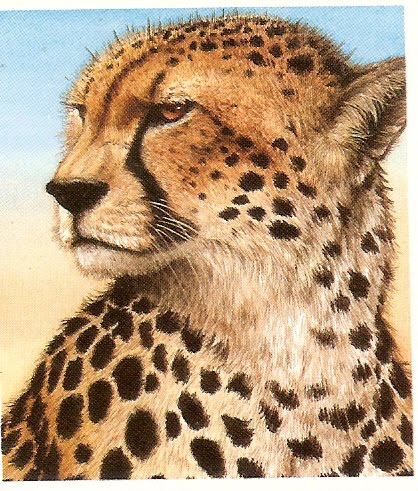
African Folklore: How the Cheetach Got His Speed
African cultures have a plethora of folklore handed down from generation to generation. Their folklore stories are very interesting and amusing as they seek to interpret about their history, the principles of life, and the traits of African animals through their own cultural world view. I will share a few of these amusing folklore stories here. Enjoy!
How the Cheetah Got His Speed (A Bushman story)
Once upon a time the Creator decided to find out which of His animals could run the fastest and so He entered the cheetah in a race with the tsessebe, which is one of the swiftest of all the antelopes. The cheetah had soft paws then, and he realized that they were not suited for real speed. So he borrowed a set of paws from an obliging wild dog.
The race started from a high baobab tree. The Creator Himself was in charge and the two contestents were told to run right across the plains to a hill on the far side. The animals lined up and then - go! They leapt away.
The tsessebe soon took the lead and by halfway, he was so far ahead that he seemed sure to win. But suddenly, disaster! Tsessebe stumbled on a stone, and crashed to the ground; he had a broken leg.
The good natured cheetah, instead of running past and winning the race, stopped to help his opponent.
The Creator, seeing this, was so pleased by the cheetach's unselfish act that He bestowed upon the cheetah a gift; He made him the fastest animal in the land and what's more, allowed him to keep the paws of the wild dog.
From: When the Hippo was Hairy and Other tales from Africa; Nick Greaves.
How the Cheetah Got His Speed (A Bushman story)
Once upon a time the Creator decided to find out which of His animals could run the fastest and so He entered the cheetah in a race with the tsessebe, which is one of the swiftest of all the antelopes. The cheetah had soft paws then, and he realized that they were not suited for real speed. So he borrowed a set of paws from an obliging wild dog.
The race started from a high baobab tree. The Creator Himself was in charge and the two contestents were told to run right across the plains to a hill on the far side. The animals lined up and then - go! They leapt away.The tsessebe soon took the lead and by halfway, he was so far ahead that he seemed sure to win. But suddenly, disaster! Tsessebe stumbled on a stone, and crashed to the ground; he had a broken leg.
The good natured cheetah, instead of running past and winning the race, stopped to help his opponent.
The Creator, seeing this, was so pleased by the cheetach's unselfish act that He bestowed upon the cheetah a gift; He made him the fastest animal in the land and what's more, allowed him to keep the paws of the wild dog.
From: When the Hippo was Hairy and Other tales from Africa; Nick Greaves.
Subscribe to:
Posts (Atom)